
Work by an ASE Master Certified technician
Auto Repair in Georgetown, Tested Before Anything Gets Replaced
Brakes, maintenance, engine, transmission and diesel work for drivers from Silver Plume, Empire and Idaho Springs, with the cause explained in plain words before you sign off on a repair.
Ask what's behind the light — (303) 653-0068
Also serving
- Silver Plume
- Empire
- Lawson
- Dumont
Tested, then quoted
No part gets ordered until a test points to it.
Gas and diesel
Family cars, half-tons and diesel pickups.
Your call to make
Must-fix items and can-wait items kept apart.
A free first look
Start with a no-charge vehicle inspection.
Repairs We Handle at the Georgetown Shop
Seven kinds of work, each with its own page that explains what we check, what the job involves and what you can expect to hear from us. Pick the one that matches what your vehicle is doing, or call and describe it. Every page also explains what to mention on the phone, so the first conversation is a useful one.
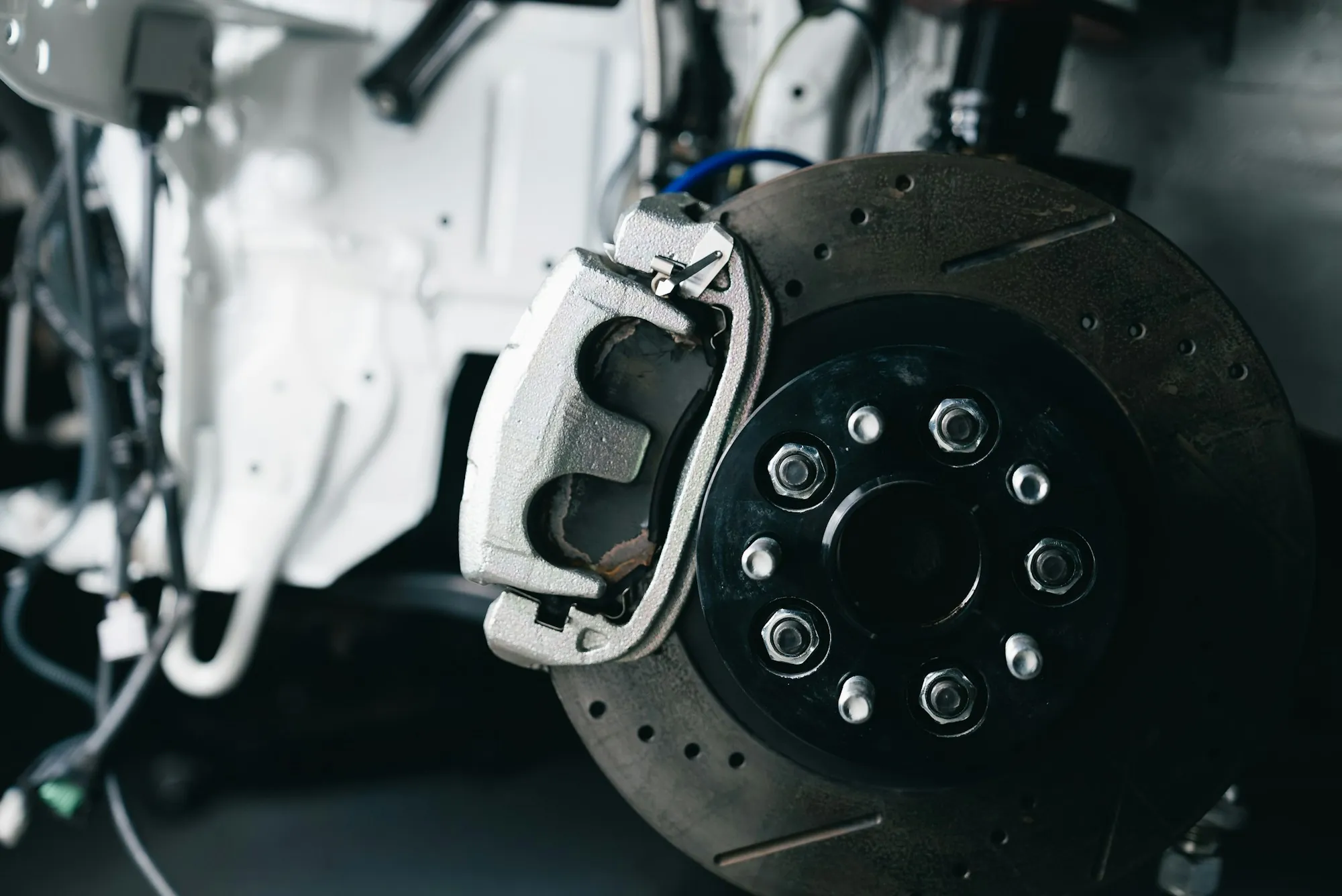
Brake Repair
Squeals, scraping and a pedal that sinks get measured at every wheel, and only the worn pads, rotors or hydraulic parts are replaced.
How we handle it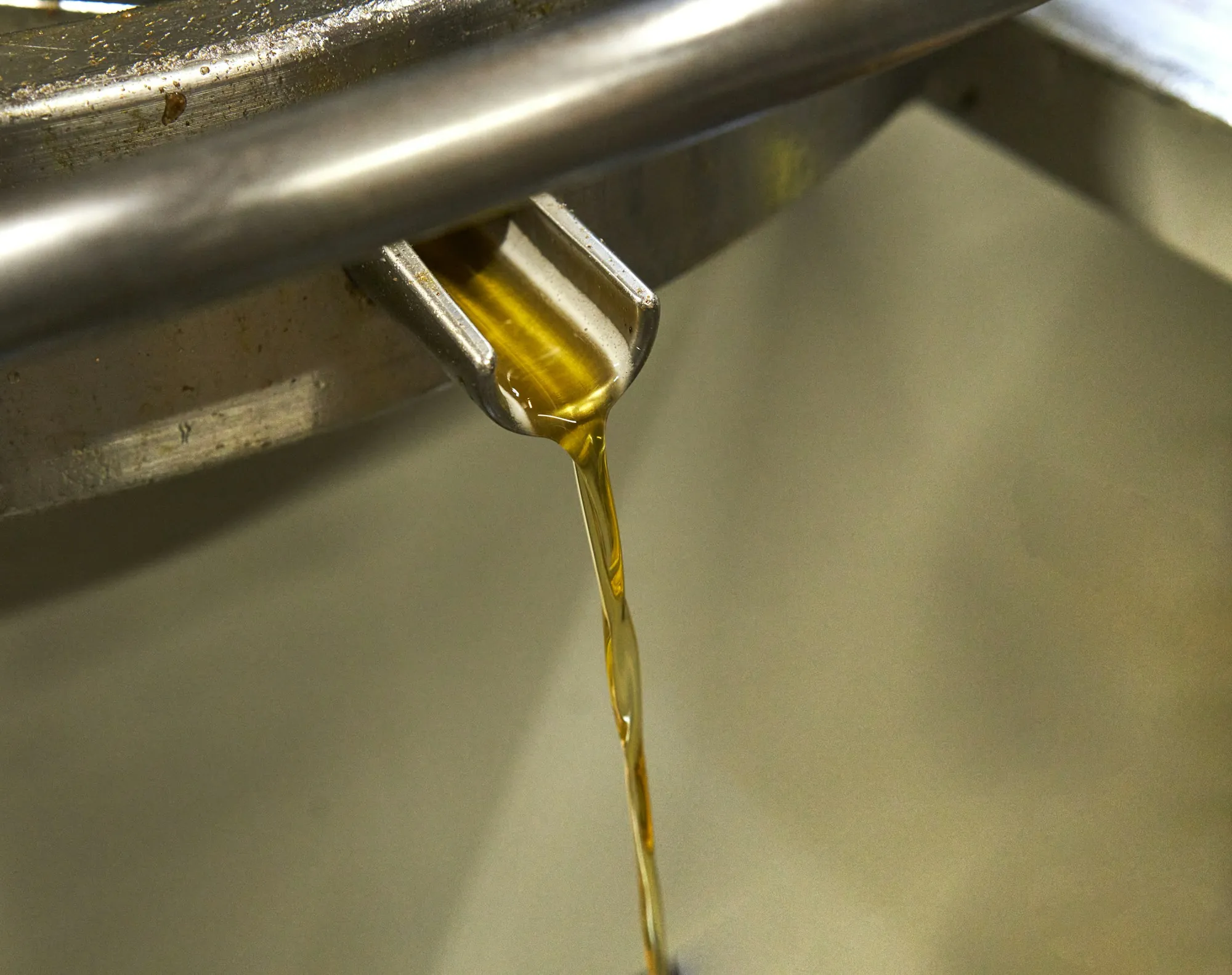
Scheduled Maintenance & Oil Changes
Oil, filters, fluids, belts and plugs done at the intervals your owner's manual sets, with a written record you can keep for warranty purposes.
How we handle it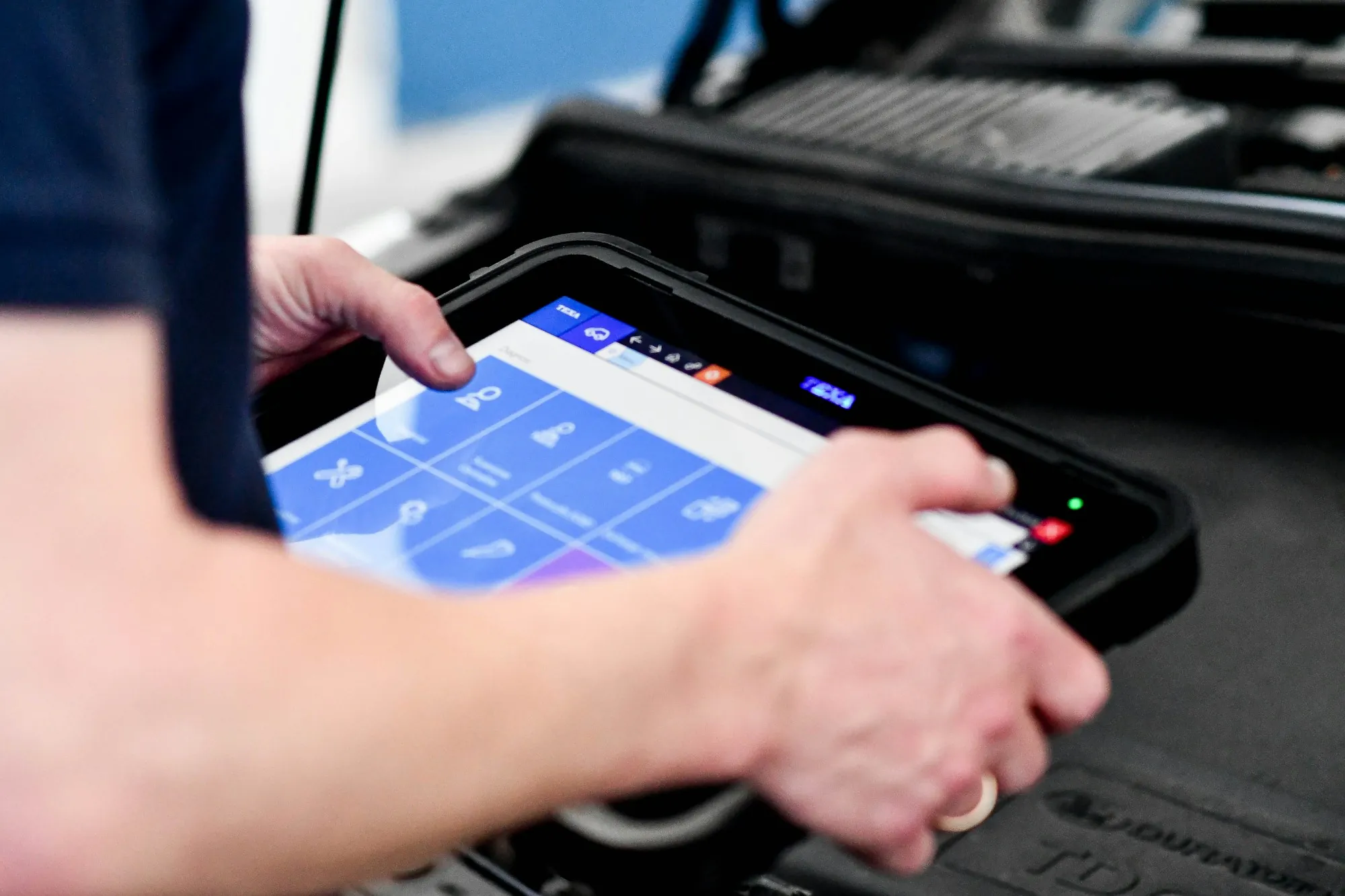
Check Engine Light Diagnostics
A warning light, a misfire or a hesitation traced to its real cause with live data and hands-on testing, before a single part is ordered.
How we handle it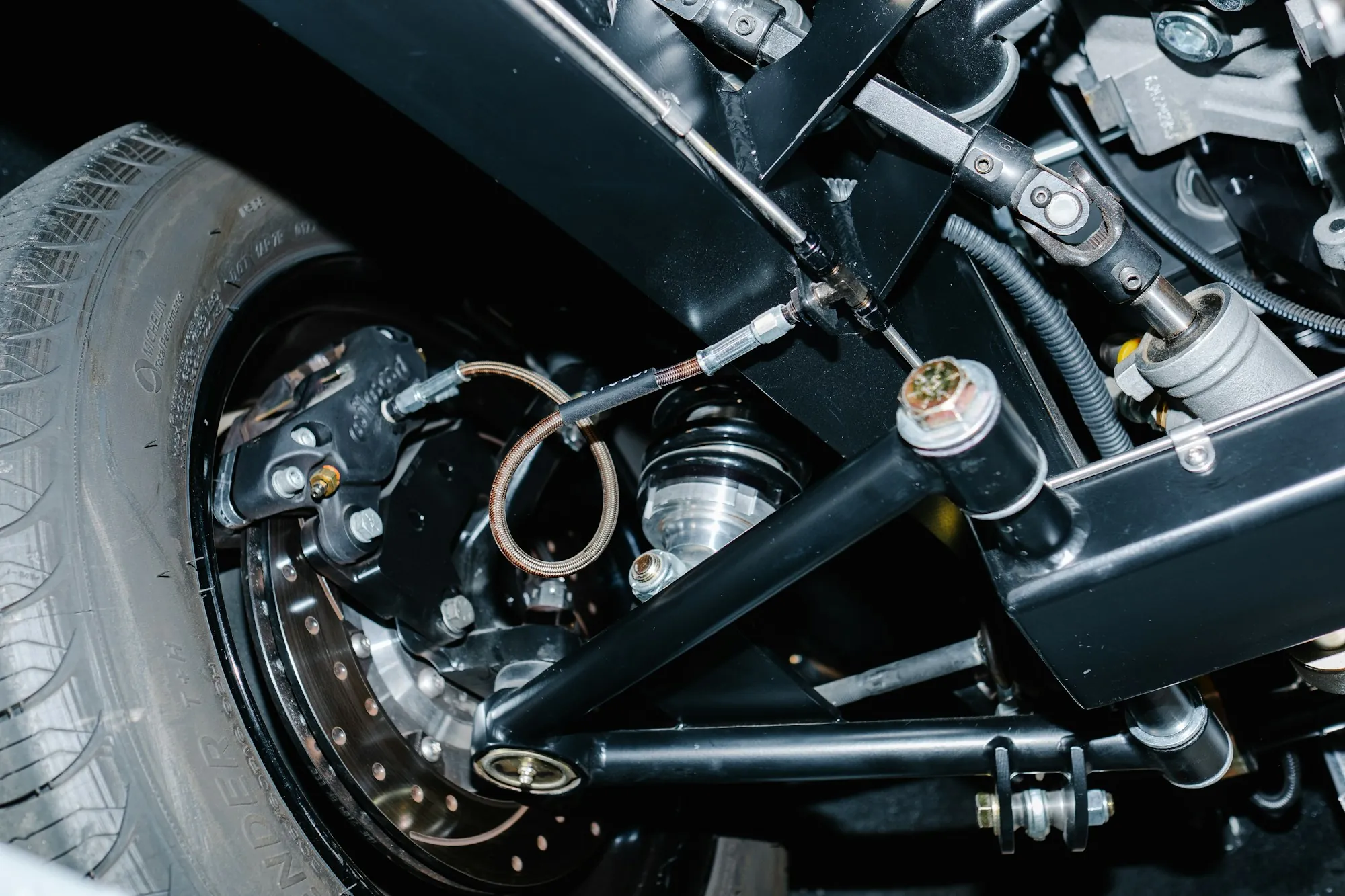
Suspension & Steering Repair
A knock over frost heaves or a car that drifts on the interstate gets checked joint by joint on the lift, so the loose part is the one you pay for.
How we handle it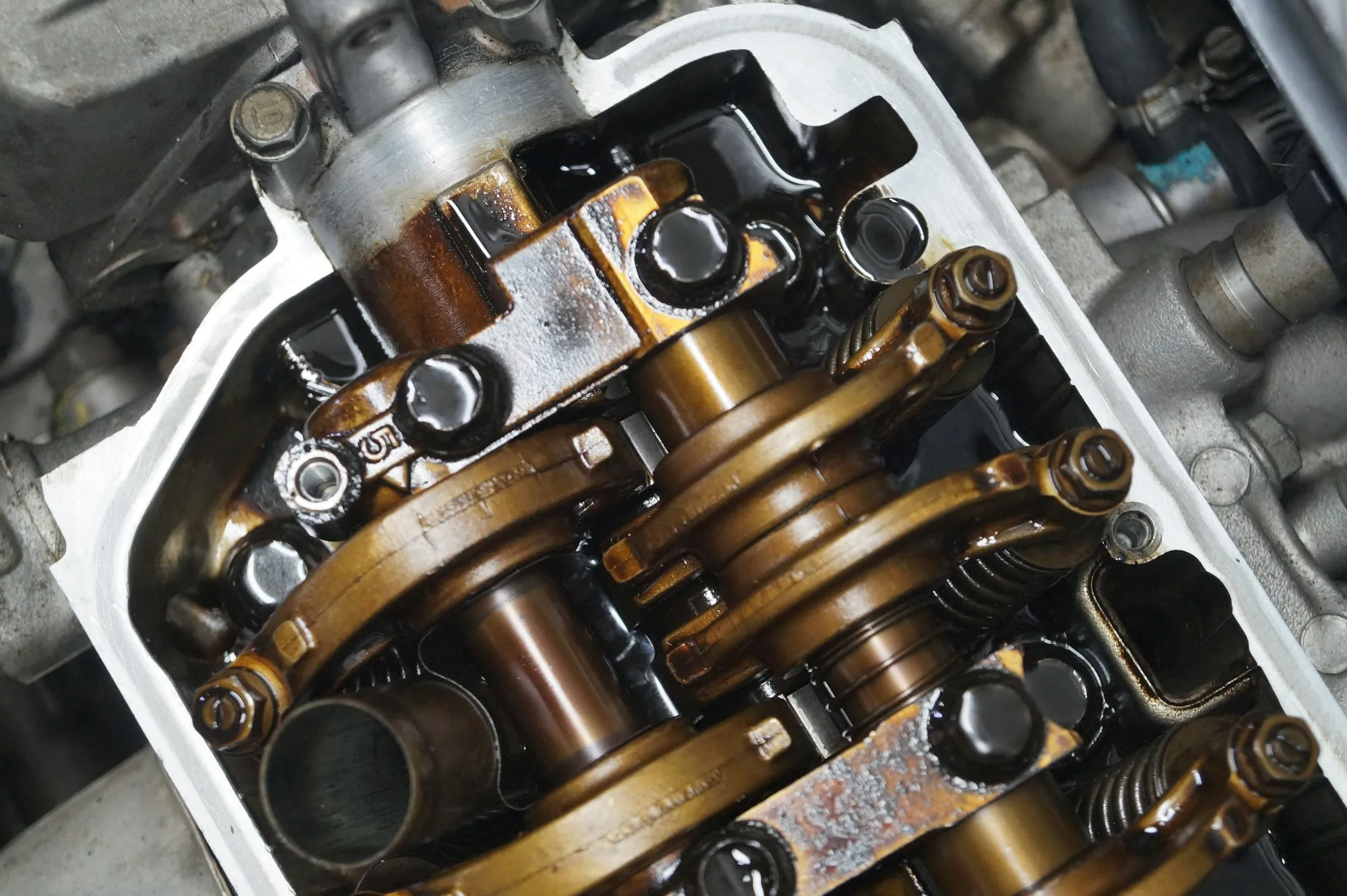
Engine Repair & Replacement
Overheating, knocking and coolant loss tested to a confirmed cause, then two prices: fix this engine or fit another one.
How we handle it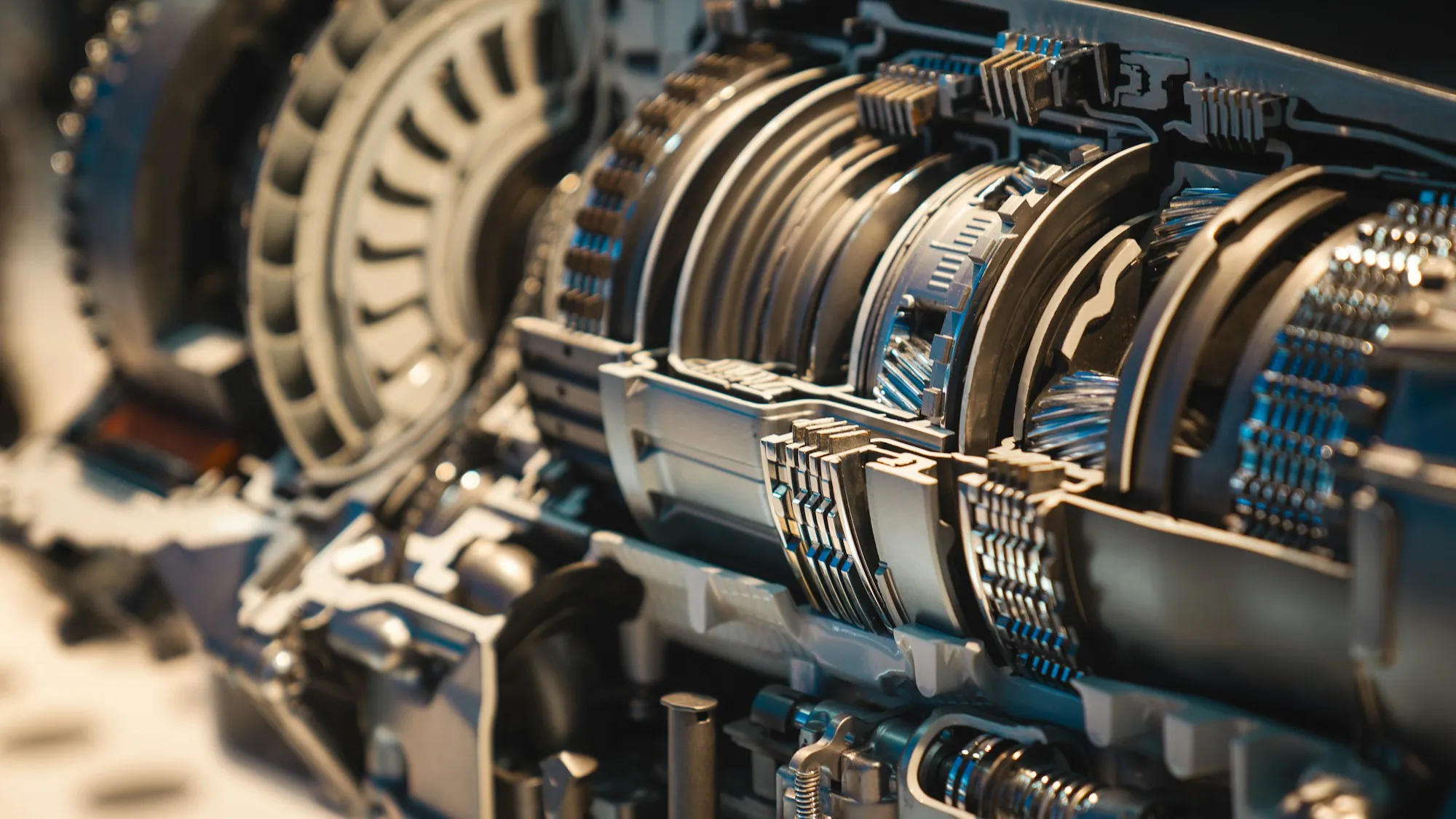
Transmission Repair & Rebuilds
Slipping, harsh shifts and 4x4 engagement problems diagnosed with scan data and a road test, then repaired, rebuilt or replaced as the evidence suggests.
How we handle it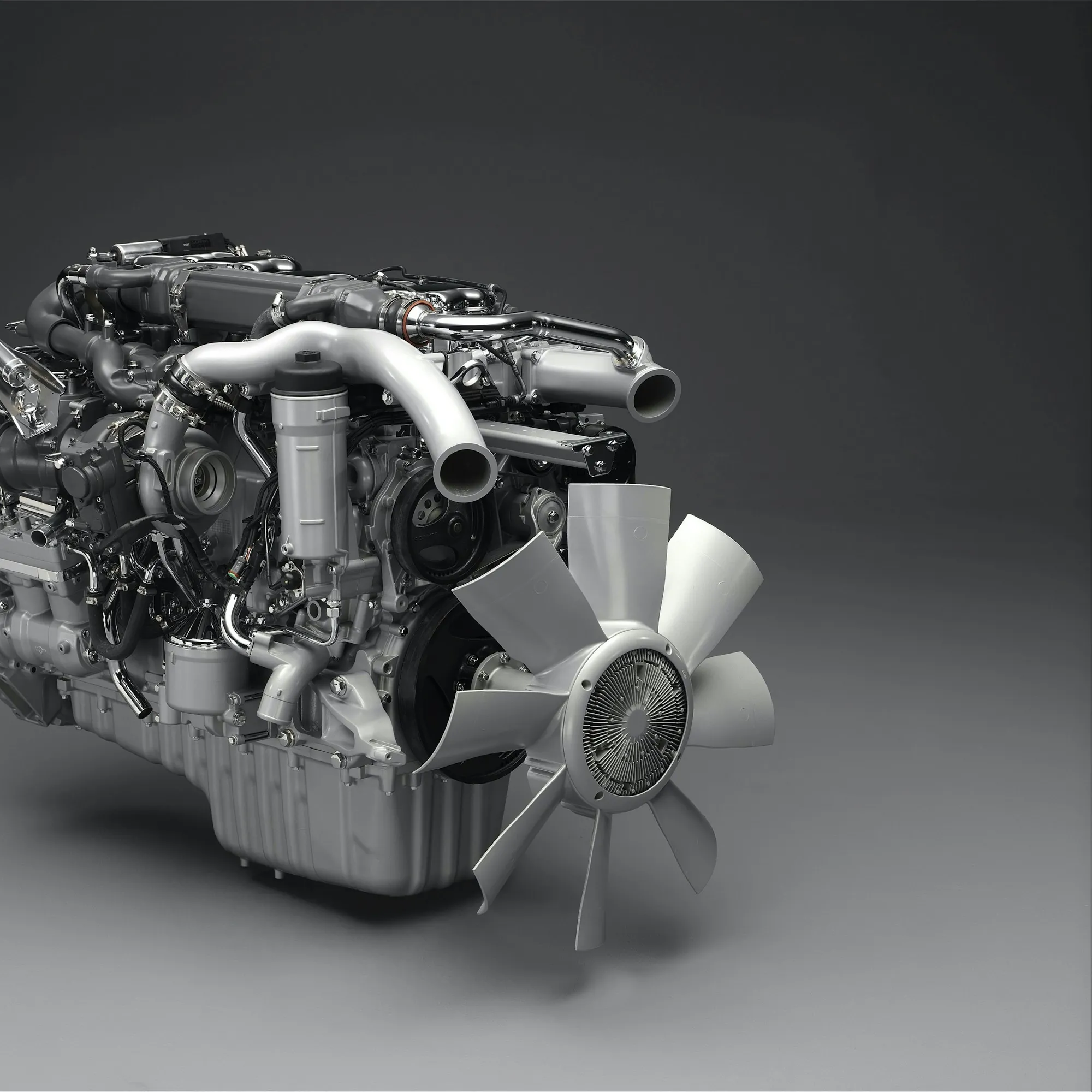
Diesel Engine Repair
Smoke, lost power and regen trouble on diesel pickups tested down to the injector, turbo, EGR or DPF part that is really at fault.
How we handle it
What You Can Expect From Us
A repair bill should make sense when you read it. These four habits are how we keep it that way, on a commuter sedan or a three-quarter-ton diesel.
The test comes before the part
A code reader gives a starting point, not an answer. We follow it with pressure tests, live data and a hands-on look until one cause explains the symptom. Only then does anything get ordered, which is how you avoid paying for three parts to fix one problem.
Must-fix and optional, sorted for you
Most inspections turn up more than one thing. We tell you which items affect safety today, which can ride until the next oil change and which are simply worth watching. You decide the order, and nobody pushes the whole list on you at once.
A straight repair-or-replace answer
If the engine or gearbox is failing, we lay out what a repair would involve, what a replacement unit would involve, and how either compares with what the vehicle is worth. Sometimes the honest answer is that neither makes sense, and you will hear that too.
Diesel trucks are not an afterthought
Plenty of shops wave off a Power Stroke or a Duramax. We diagnose and repair light-duty diesel engines alongside gasoline cars, so a household with both does not need two mechanics or a trip to the dealer for the truck.
Three Steps From the Phone Call to the Keys
Nothing complicated, and nothing happens without you hearing about it first.
Tell us what it's doing
Call and describe the noise, the light or the feel, including when it started and whether it changes with speed, temperature or load. We set a time to bring the vehicle in and let you know what the first look will cover, which is free.
The cause gets confirmed and explained
The technician tests until the cause is confirmed, then calls you with what failed, why it matters and what fixing it costs. If there is a cheaper path that still does the job properly, you hear about it in the same call.
You approve, we repair
Work starts only after you say yes to a specific job at a specific price. When it is done, the vehicle is driven again to confirm the original symptom is gone, and you get back the explanation of what was replaced and why.
Serving Georgetown and the Upper Clear Creek Towns
Our shop works for drivers along the I-70 corridor from Silver Plume down to Idaho Springs. Grades in this stretch of Clear Creek County are hard on brakes and transmissions, and long climbs keep cooling and diesel exhaust systems busy, so the repairs we see most here line up closely with the services listed above.
Georgetown
Home base, just off I-70 at exit 228
Silver Plume
A short drive up the valley
Empire
Along US-40 toward Berthoud Pass
Lawson
Between Empire and Dumont
Dumont
Off the Stanley Road exit
Idaho Springs
Down the creek on I-70
Not sure whether your town is close enough? Ask when you call and we will tell you straight.
Something feels wrong but you can't name it?
That is the most common call we get. Describe what you are hearing or feeling, and we will tell you what the first inspection will cover and when we can see the vehicle.
Questions Drivers Ask Before They Book
Short, direct answers. If yours is not here, the phone is quicker than an email.
Is it okay if I buy the parts myself?
Sometimes. We will look at what you have and tell you whether it is the right part and decent quality. If a part you bought fails early, the labor to replace it again is on you, so for most jobs it works out better to let us source them.
Is it safe to keep driving with the check engine light on?
A steady light usually means a fault that should be looked at soon but is rarely dangerous on the next short drive. A flashing light signals a live misfire, and unburned fuel from it can cook the converter in the exhaust. Drive gently and have it looked at before any long trip.
How many days should I plan to be without the car?
Brake jobs and routine maintenance are often finished the day the vehicle comes in. Diagnosis on an intermittent fault, or a repair that needs ordered parts, can take longer, and we give you a realistic timeline as soon as we know what is involved.
What does the free vehicle inspection cover?
We look over the brakes, steering and suspension, tires, fluids, belts and hoses, lights and any warning lights on the dash, then road test the vehicle if it is drivable. You get a plain list of what we found, sorted by how soon each item needs attention.
Is it worth repairing my engine or should I replace it?
That call rests on three things: which part of the engine gave out, how sound the rest of the car is, and how many more years you want from it. Once testing pins down the damage, you get both figures, fixing it and swapping it, written out together, so the choice rests on numbers rather than a hunch.
Which vehicles will you take on?
Sedans, crossovers, vans, half-ton pickups and light diesel trucks from American, Japanese, Korean and German brands all come through our bays. If a job needs dealer-only software or a specialty tool we do not carry, we tell you before the vehicle comes in rather than after.
How long does a brake job take?
Replacing pads and rotors on one axle typically takes one to two hours. Calipers, hoses or an ABS fault add time, and we let you know before starting if the inspection shows the job is bigger than expected.
Get the Answer Before You Get the Bill
Pick up the phone, describe the symptom in your own words and pick a day for a free first look. You will know what is wrong and what it costs to fix before any work begins.
Book the free first look — (303) 653-0068